Osika

Park

Landmarks

Landmarks and nature

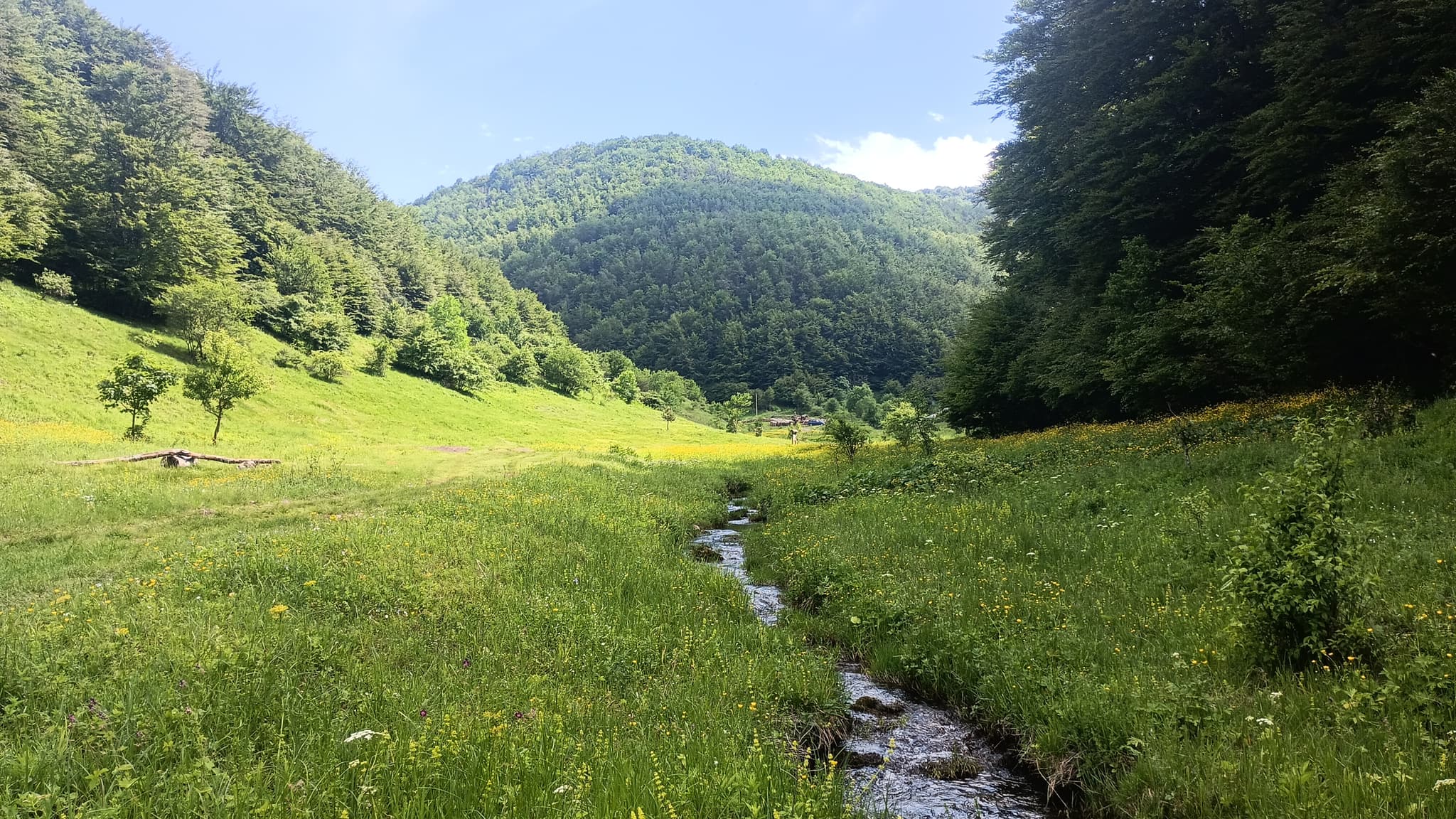
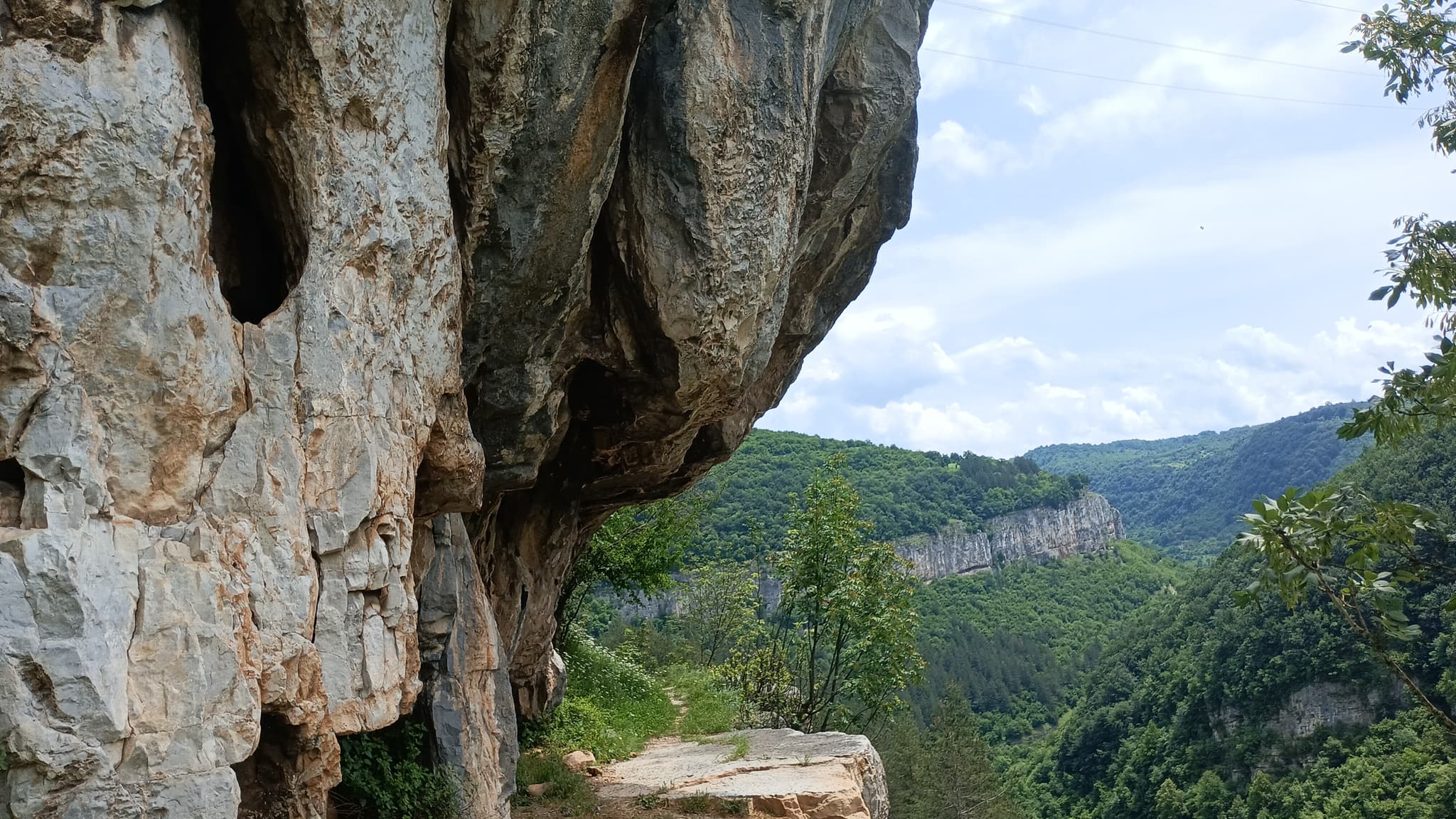
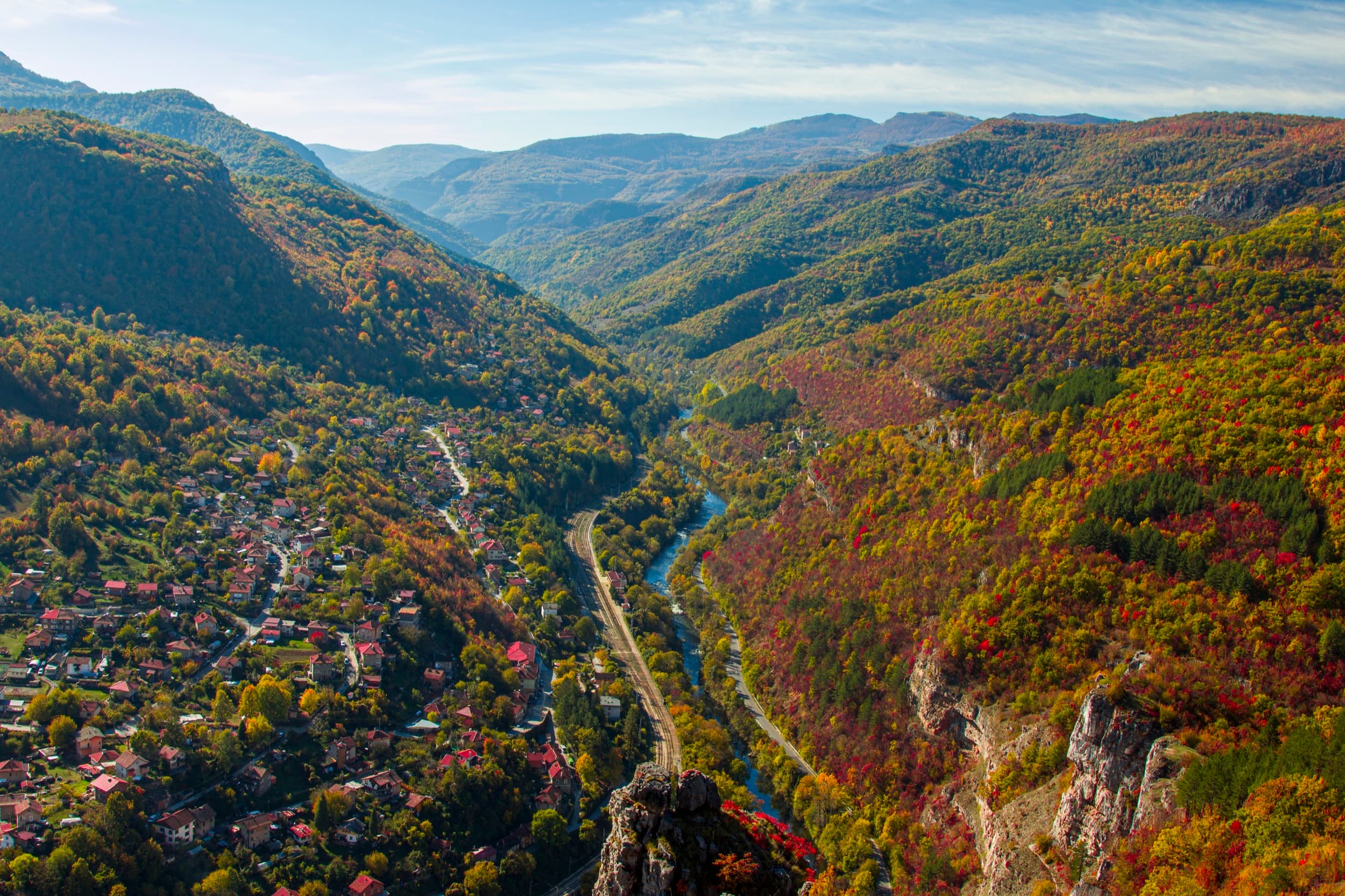
Located in the Iskar Gorge and at the foot of Vratsa Balkan Nature Park, Osika Park is surrounded by exceptional natural beauty, rich flora and diverse fauna.

Vratsa Balkan Nature Park

Vratsa Balkan Nature Park covers an extensive territory in Northwestern Bulgaria and includes almost the entire Vratsa Mountain. Part of its territory falls in the area of the Iskar Gorge, which determines the characteristic, highly dissected relief of the park.

In 1989, the territory was declared a national park, and in 2003 it received the status of a nature park. Its area is 28,844 hectares, within which various natural complexes are represented — forests, rock ridges, river valleys, karst formations and open grassy areas.

The diverse relief and proximity to the city of Vratsa and numerous small settlements make the area one of the preferred places for eco and mountain tourism.

Vratsa Balkan Nature Park

Historical and natural landmarks around Osika Park:

Lakatnik Rocks
Lakatnik / Milanovo Rocks

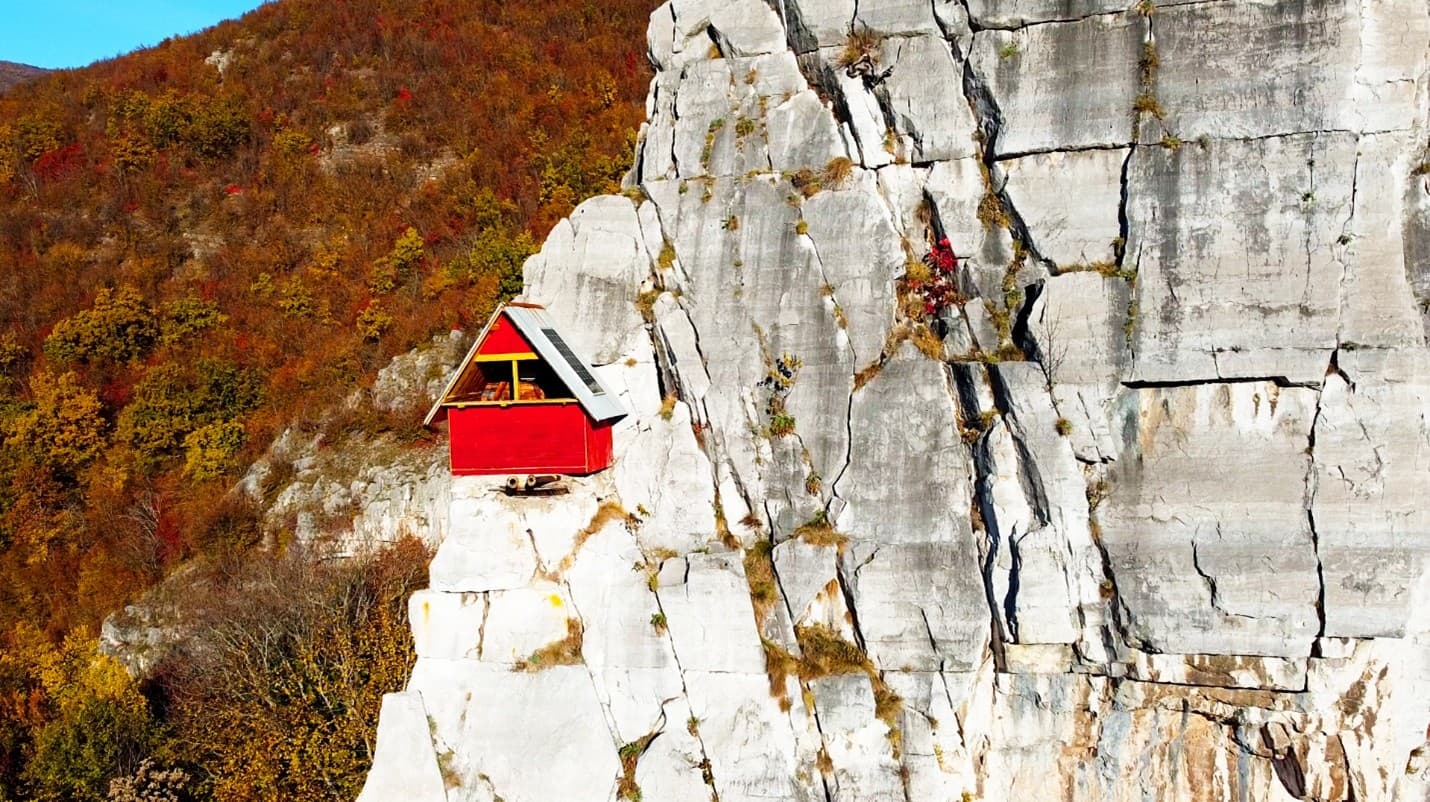
The Lakatnik (Milanovo) Rocks are a protected area, part of Vratsa Balkan Nature Park, with diverse climbing routes. The rocks are located on the left bank of the Iskar River and fall within the territory of Milanovo village (old Osikovo), which is why they are also called Osikovo Stones. In these rock massifs, over 100 caves and chasms have been formed, the longest of which is "Temnata Dupka" with a length of over 5 km. The area is extremely attractive for mountaineers and cavers, and due to its beauty — also for tourists. It is one of the most visited and famous climbing sites in Bulgaria and is considered the founder of Bulgarian rock climbing. The "Temnata Dupka" cave is the "school" of Sofia cavers.

Learn more

Cave "Temnata Dupka"
Cave "Temnata Dupka" (The Dark Hole)

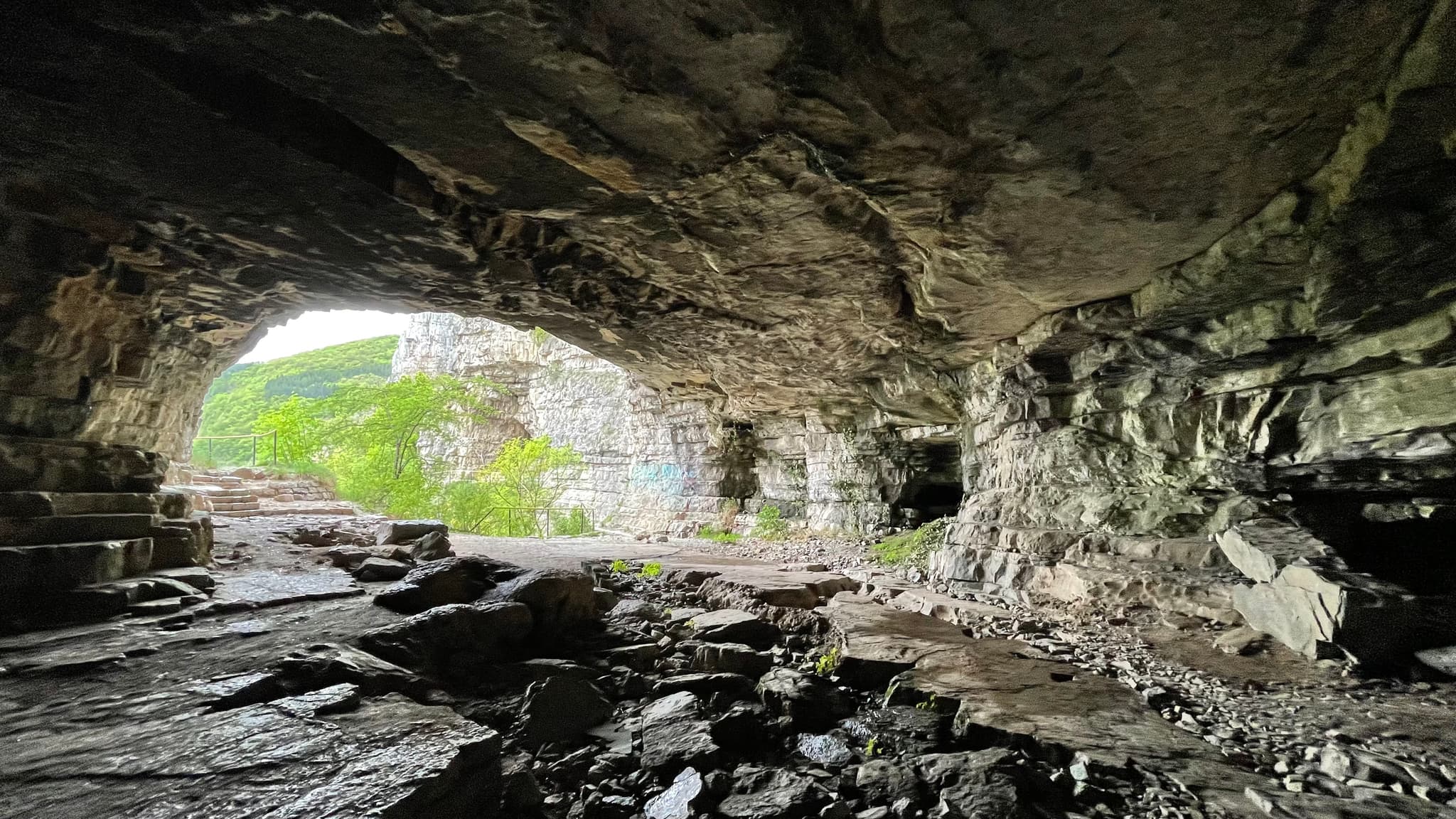
Cave "Temnata Dupka" is the longest Balkan cave (5300 m). The cave entrance is located in the wall of the rock ridge of the Lakatnik (Milanovo) Rocks, about 27 meters above the Iskar River, in the territory of Milanovo village, northwest of Lakatnik station. It is formed in dark Middle Triassic limestones (Ladinian) of the Milanovo syncline. It represents a system of two main galleries with adjacent branches. The northeastern part of the cave is longer — about 800 meters along the main axis, and the main underground river flows along it. Usually the underground river flows out through the karst spring "Zhitolub", but during extreme rainfall and snow melting its level rises and the water flows out through the cave entrance. The cave fauna is rich — 18 species of troglobites adapted to life without light have been established. An interesting fact is that Bulgaria is among the countries with the greatest diversity of cave organisms. Cave "Temnata Dupka" is known as a "school" for Bulgarian cavers and has important significance for the development of speleology in our country.

Learn more

Cross of the Fallen Mountaineers and Climbers

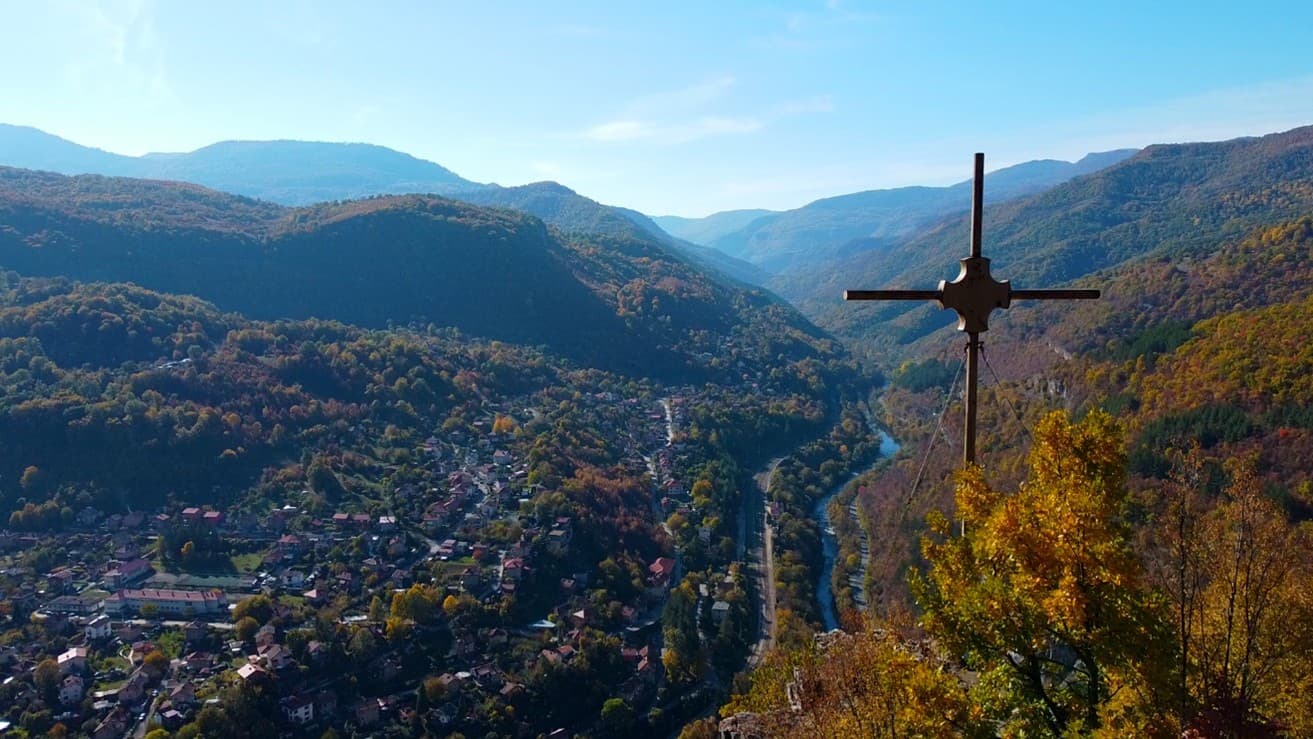
The Cross of the fallen mountaineers and climbers is located on the Lakatnik Rocks and was erected in 1939 with funds collected by the then alpine elite in Bulgaria. It is located on the highest part of the rocks, with impressive panoramic views towards the Iskar Gorge. The monument was created in memory of those who died in the mountains and has strong symbolic significance. It was destroyed during the socialist regime, but in 2001 it was restored again by residents of Milanovo village. A tourist path from Lakatnik station leads to it, which offers beautiful views along the way. Today the place combines natural beauty and historical value and is a preferred destination for walks and photography.

Learn more

Devil's Holes
Devil's Holes

Devil's Holes are a rock ridge and system of karst formations located in the canyon of the Proboynitza River — a tributary of the Iskar. The area is located in the Vratsa Balkan and is distinguished by its characteristic rocky structure. The rock ridge is about a kilometer long and includes numerous cavities, passages and cave formations. A path passes under it, which allows viewing the formations up close. The place is less visited and offers a wilder and more authentic experience, suitable for nature lovers and more adventurous routes.

Learn more

Petrenski Dol
Petrenski Dol

The "Petrenski Dol" eco-trail begins shortly after the junction for Gubislava village and passes through the picturesque gorge of the Petranitza River. The route is pleasant for walking and relaxation, moving through an area also known as Petrenski Dol. The path is about 5360 m long in both directions, the elevation is about 350 m, and the distance is covered in about 2 and a half hours in both directions. The route is easy and suitable for both children and adults who have decided to spend time in nature. Here is also the largest pool of Petrenski Dol, which gives the name to the path. The area offers tranquility, coolness and the opportunity for complete relaxation in nature.

Learn more

Zhitolub Spring
Zhitolub Spring — the shortest river in Bulgaria

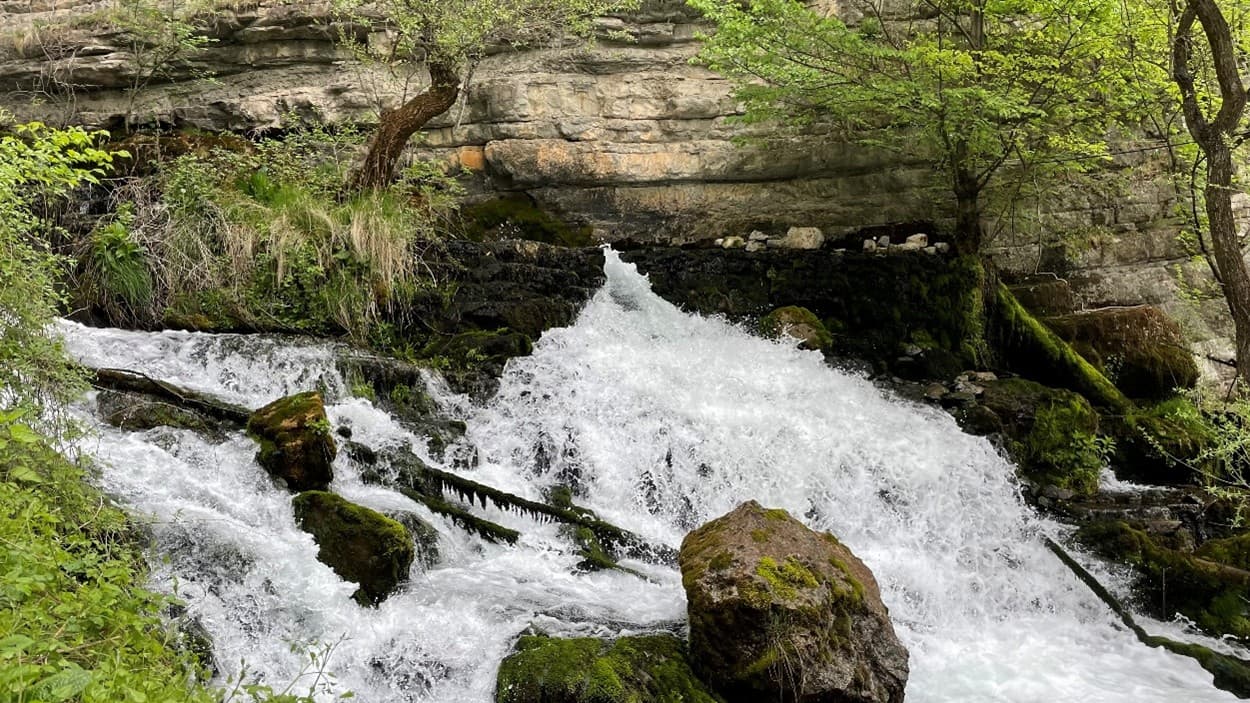
The karst spring "Zhitolub" is located at the foot of the Lakatnik (Milanovo) Rocks, under the "Temnata Dupka" cave, about 8 meters above the level of the Iskar River. The spring is one of the largest karst springs in the country and is formed by the confluence of two underground rivers — Petrenski Dol and Proboynitza. They pass through the water floors of the "Temnata Dupka" cave and through a narrow siphon flow into the spring, from where the water flows into the Iskar River. The length of the tributary is about 59 meters, which is why it is often defined as one of the shortest rivers in Bulgaria. During heavy rains, up to 1200 liters of water per second pass through it. The place is small but interesting and is often visited as part of a route in the Lakatnik and Milanovo area.

Learn more

Osenovlag Monastery "Holy Mother of God"
Osenovlag Monastery "Holy Mother of God" (Seven Altars)

The Osenovlag Monastery "Holy Mother of God", also known as the Seven Altars, is located near Osenovlag village in the Vratsa Balkan. It is believed to have been created during the time of the Second Bulgarian Kingdom (1185–1393). According to legend, the monastery was founded by seven brothers or seven boyars. The monastery church has seven separate altars, making it the only temple in Bulgaria with such an architectural solution. The monastery is known for its unique architecture and spiritual significance. Today the place is an active spiritual center that attracts both pilgrims and tourists seeking peace, history and beautiful nature.

Learn more

Cherepish Monastery "Assumption of the Holy Mother"

The Cherepish Monastery "Assumption of the Holy Mother" is located in the Iskar Gorge, between Lyutiborod village and Cherepish station. It is one of the most famous monasteries in Bulgaria, located among majestic rocks and near the Iskar River. The monastery was founded in the 14th century during the time of Tsar Ivan Shishman (1371–1393) and is connected with important historical events, including the struggles with the Ottoman invaders. According to legend, its name comes from the bones of fallen soldiers after a battle at the end of the 14th century. During the Bulgarian Revival, the monastery became an important educational center where books were created and copied. Today it is a popular destination combining history, architecture and impressive natural environment.

Learn more

Medieval Church, Old Village neighborhood
Medieval Church, Old Village neighborhood — Milanovo

The medieval church "Holy Nativity of the Mother of God" is located in the Old Village neighborhood, about 2 km from Milanovo village — the place where the first inhabitants of the village settled, then known as Osikovo. The church is a typical single-nave single-apse building, dated from 1492, making it one of the oldest in the area. It is built of broken stones bonded with mortar. In the past it was completely painted with frescoes, part of which are preserved to this day. It is declared an artistic monument of culture of national significance. Today the place offers a peaceful atmosphere and is suitable for a short visit, combined with a walk in the area.

Learn more

Monument "Septemvriytsi"
Monument "Septemvriytsi" (September Uprising participants)

The "Septemvriytsi" monument is located in the area of the Lakatnik Rocks and was erected in memory of the participants in the September Uprising of 1923. It is located in a panoramic place with a view towards the Iskar Gorge. On September 28, 1923, three days after the outbreak of the uprising, Milan Petrov, Stefan Trifonov, Yordan Kurtev and Dimitar Boyadzhiev died on the rocks near Milanovo village. They were shot and thrown into the ravine from Osikovo Stones after the battles in the area. A monument was erected in memory of the fallen, whose form resembles a soldier's cap. For years their remains were kept in a basement under the monument. In 1950, Osikovo village was renamed Milanovo — after Milan Petrov, a native of the village. Today the monument is both a historical landmark and part of the tourist routes in the area, combining memory, history and impressive natural views.

Learn more

Kobilini Steni
Kobilini Steni (Mare's Walls)

Kobilini Steni represent a series of impressive in height jagged rock ridges located above the villages of Oplenya and Ochindol. They are located on the southwestern slopes of the peaks Beglichka Mogila (1481 m) and Parshevitsa (1431 m). The rock phenomenon can be reached by different routes. One of them starts from Milanovo village, with a distance of about 11 km covered in approximately 3 hours. Part of the route passes along an old Roman road, then continues on narrower cart roads that cut the turns of the main road and shorten the distance. Many legends are connected with Kobilini Steni — from the one that Vulchan the Voivode hid his gold there, to the stories about the hero Krali Marko. According to other stories, thick fogs sometimes descend in the area, in which herds of wild horses get lost and fall from the vertical rocks.

Learn more

Regional Historical Museum — Vratsa

The Regional Historical Museum in Vratsa is one of the most significant cultural sites in the region, located in the central part of the city. It presents the rich history of the Vratsa region — from antiquity to the present, through various exhibitions and artifacts. The museum includes archaeological finds, ethnographic collections and historical documents that reveal the development of the region through different epochs. Among the most valuable exhibits are objects from Thracian and Roman times, as well as finds from the famous Rogozen Treasure. Visiting the museum is suitable for all ages and offers an opportunity for deeper acquaintance with the cultural and historical heritage of Vratsa and the region.

Learn more

Waterfalls — the living heart of the Balkan

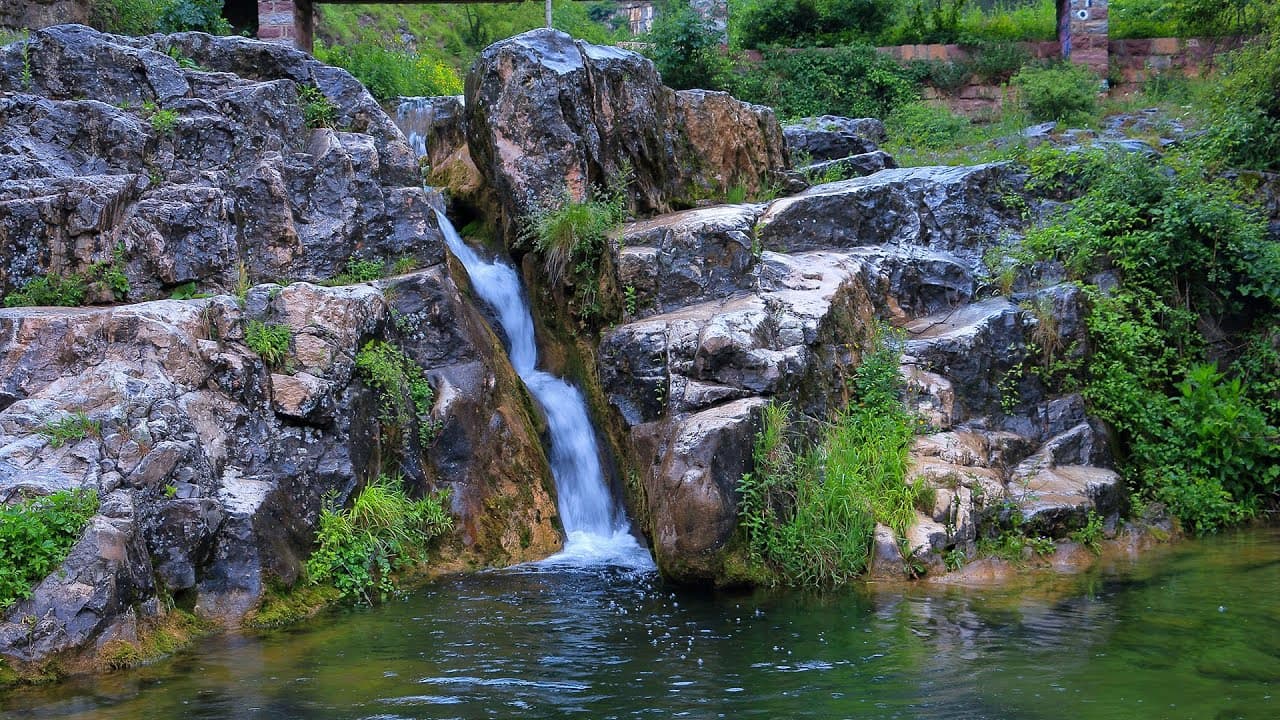
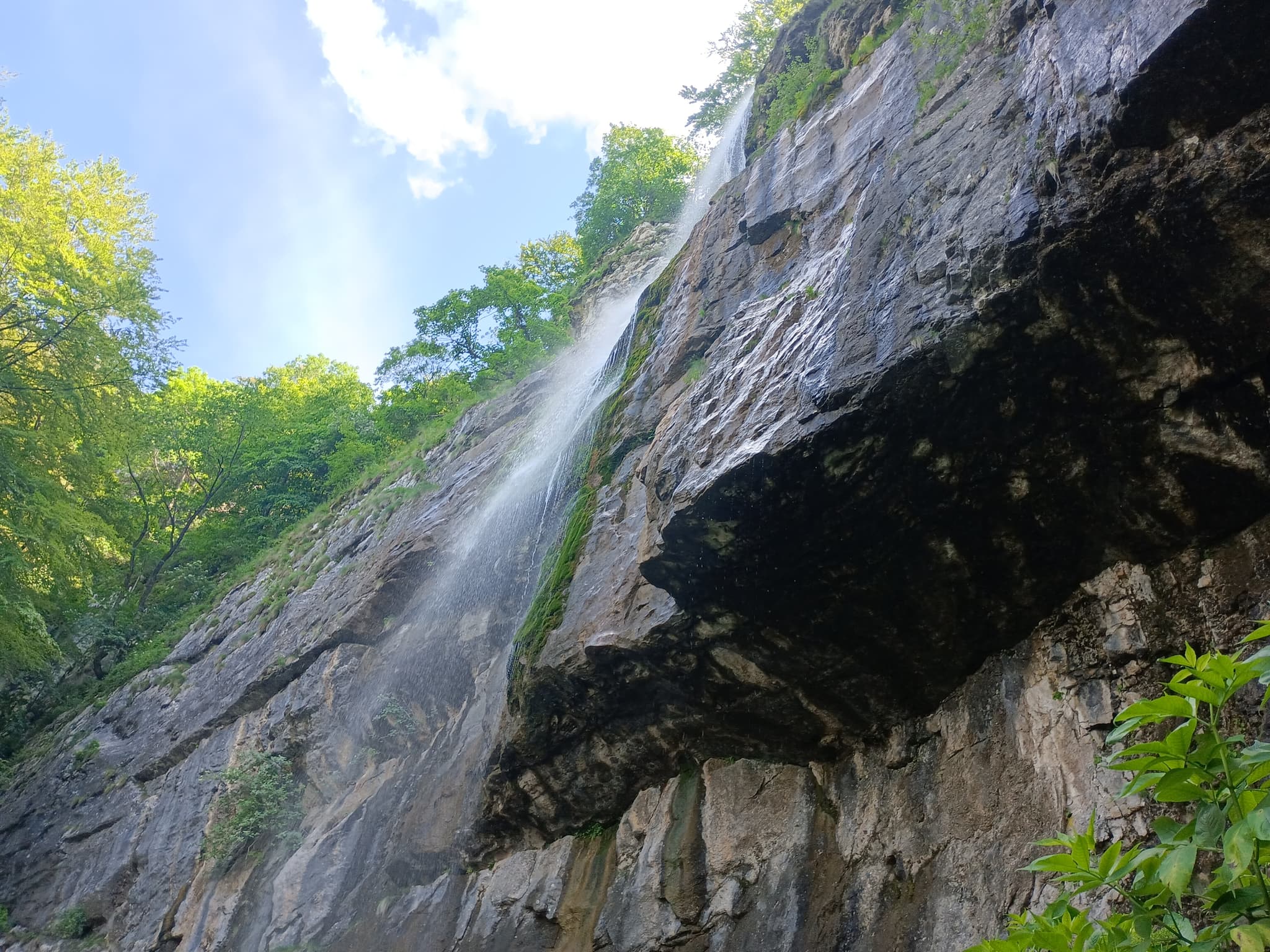
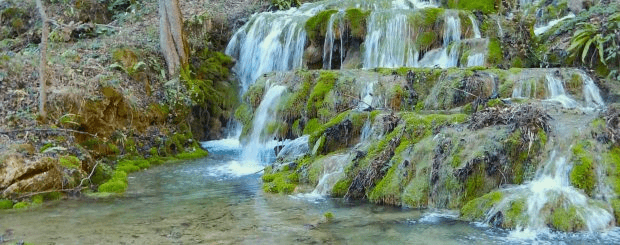
On the territory of Vratsa Balkan Nature Park there is an exceptionally high concentration of waterfalls. During the spring months — May and June, as a result of snow melting and heavy rainfall, over 170 waterfalls can be seen in the area, with 17 of them flowing year-round.

The waterfalls are formed mainly along the limestone rock ridges of the park and are among the most impressive natural elements of the region. They contribute to the characteristic appearance of the Vratsa Balkan and are among the most visited natural landmarks.

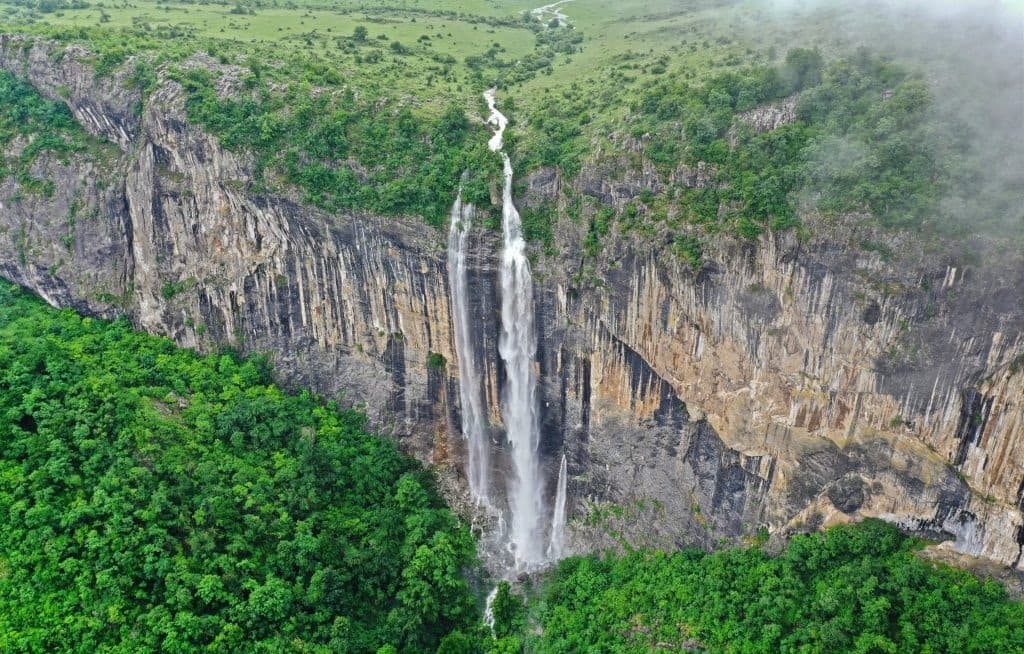
Waterfall "Skaklya"
Waterfall "Skaklya"
  • The highest intermittently flowing waterfall in Bulgaria

  • Height: 141m

  • Located about 1.5 km south of Vratsa

Waterfall "Borov Kamak"
  • Height: 63 m

  • Located in the area of Zgorigrad village

  • Its name comes from the black pine find in the area

Other waterfalls
Other waterfalls
  • Smaller, seasonal and hard-to-reach waterfalls

  • Active mainly during spring

  • Part of the natural karst relief of the park

Flora and fauna

The territory of the nature park is distinguished by rich biological diversity, due to the complex relief, wide altitude range and diversity of habitats. Here are represented both forest, rock, grass and water ecosystems, which create conditions for the existence of numerous plant and animal species.
Birds

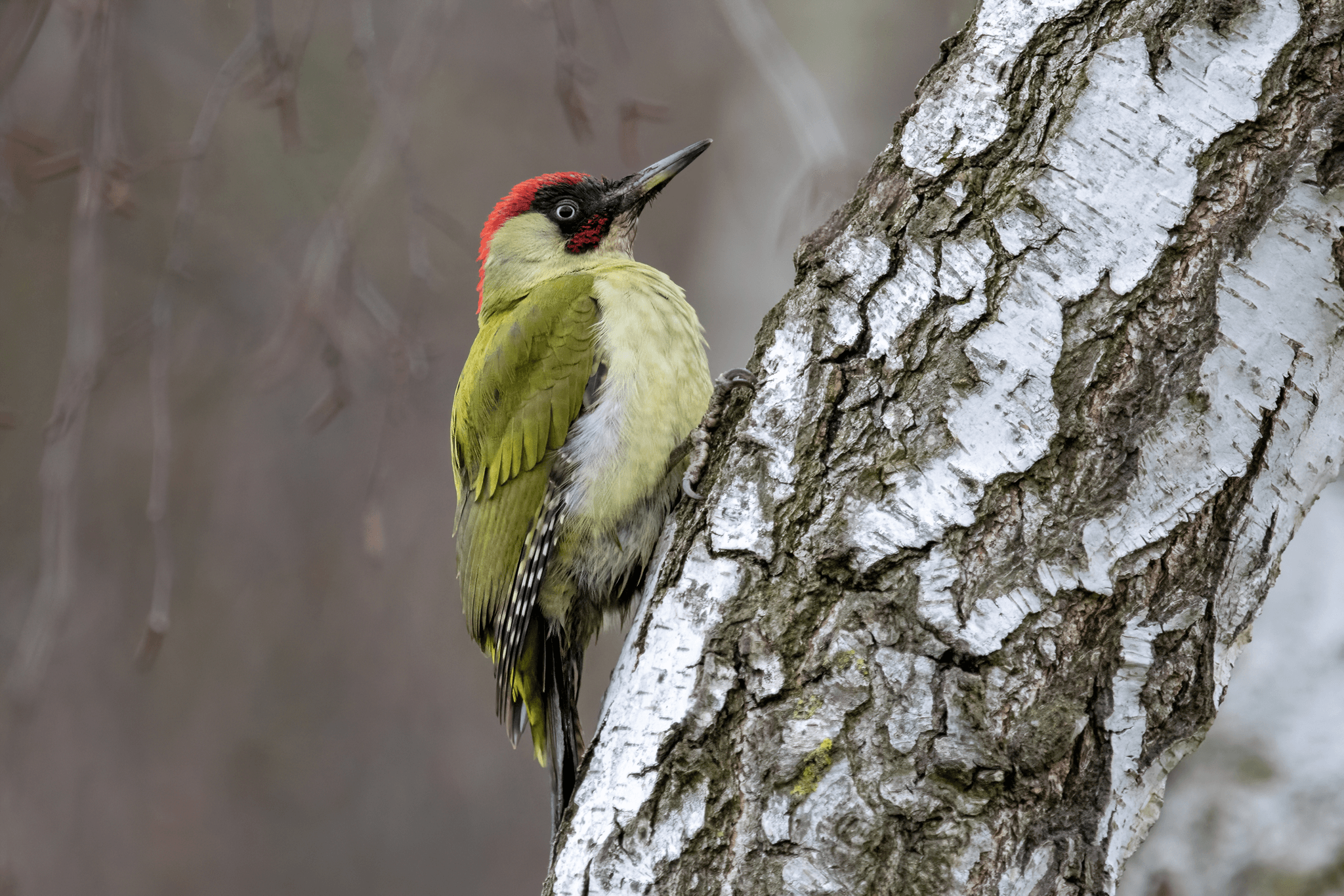
Birds

The territory of Vratsa Balkan Nature Park is characterized by exceptionally rich ornithological diversity, due to the presence of rock complexes, forests, open grassy areas and water habitats. The area covers an altitude range from about 300 to 1400 m above sea level, which creates conditions for habitation of different ecological groups of birds.

Over 180 bird species have been established in the park, 157 of which are protected according to the Biodiversity Act. This defines the area as one of the significant territories for bird conservation in Northwestern Bulgaria.
Medicinal plants

Medicinal plants

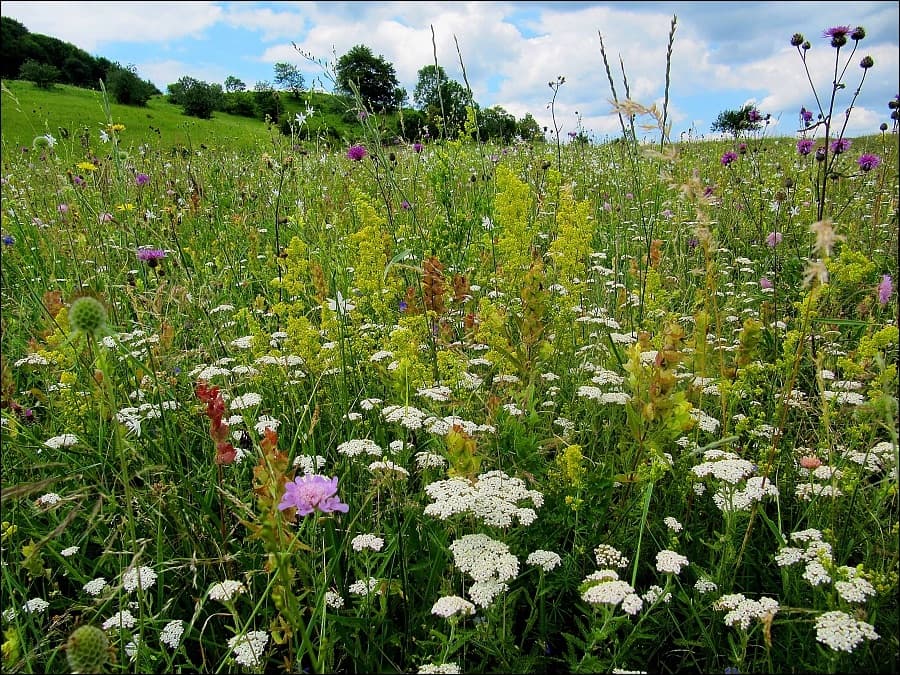
On the territory of Vratsa Balkan Nature Park there is a great diversity of plant species. Over 1100 species of higher plants have been established, of which 373 species are registered in the Medicinal Plants Act. This defines the area as one of the territories rich in medicinal plants in Northwestern Bulgaria.

Orchids

Orchids

The Orchid family (Orchidaceae) is also represented in the Vratsa Balkan. Although often associated with tropical regions, orchids also have representatives in temperate latitudes.

The first survey of their occurrence in Vratsa Mountain was made in 1935 by Academician Ivan Urumov. In recent decades, 32 species have been reliably established, which emphasizes the importance of the area for the conservation of this sensitive and specialized group of plants.

Planning an event? Send us an inquiry and let's organize it together. Contact us.

© 2025 Osika Park. All rights reserved.

Privacy Policy